Flex Lessons uses a difficulty rating system for the specific purpose of comparing pieces found on this site. These levels do not necessarily translate directly to institutions such as the ABRSM or the RCM, as the main focus is on teaching repertoire rather than concert repertoire. Students can use the indicated levels to compare pieces to one another. They can also refer to the chart below to get a sense as to where different types of pieces fall in terms of relative difficulty.
Since Flex Lessons piano tutorials are primarily aimed at ultimately bringing students to an advanced level, any rating system used would need to take this into consideration. The type of repertoire covered will generally include the most widely used teaching repertoire, which generally does not include professional level concert pieces. Students attempting these sorts of pieces usually would not require tutorials.
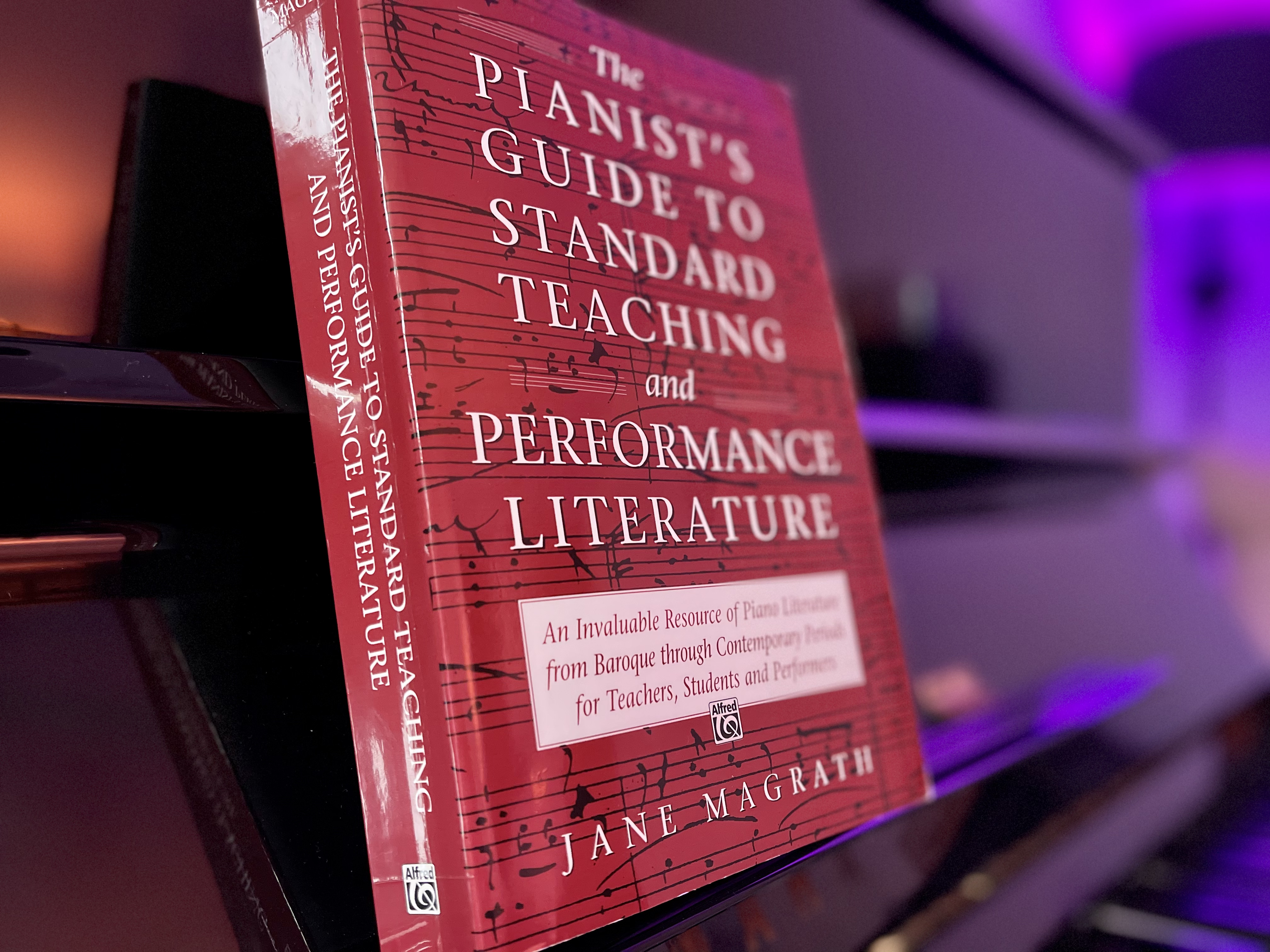
The level system used by Flex Lessons can be referenced in the book "The Pianist's Guide to Standard Teaching and Performance Literature" by Jane Magrath. This system references the most difficult regularly encountered teaching repertoire as level 10, which makes the entire system more granular compared to other systems (that would otherwise note the most difficult repertoire available as level 10).
Levels 1-10, Beginning to Early-Advanced Levels
Level 1: Bartok Mikrokosmos, Vol. 1
Level 2: Turk Pieces for Beginners
Level 3: Kabalevsky Pieces, Op. 39
Level 4: Anna Magdalena Bach Notebook (easier)
Level 5: Anna Magdalena Bach Notebook (harder)
Level 6: Clementi Sonatinas, Op. 36
Level 7: Easier Two-Part Inventions, Little Preludes
Level 8: Moderately difficult Two-Part inventions
Level 9: Easiest Haydn Sonata movements, Easiest Chopin Mazurkas
Level 10: Easiest Chopin Nocturnes, Easiest Beethoven Sonatas and Mozart Sonatas
This chart is referred to in more detail in the above mentioned book "The Pianist's Guide to Standard Teaching and Performance Literature"; I highly recommend any serious pianist, especially those who are teachers, own a copy of this book.